Plenty of visitors will queue for a looping coaster and then refuse to ride it, while the same families fill a wild mouse again and again. That contradiction is a commercial opportunity. This guide explains why a wild mouse roller coaster for families can earn more from a parenting audience than a larger thrill machine.
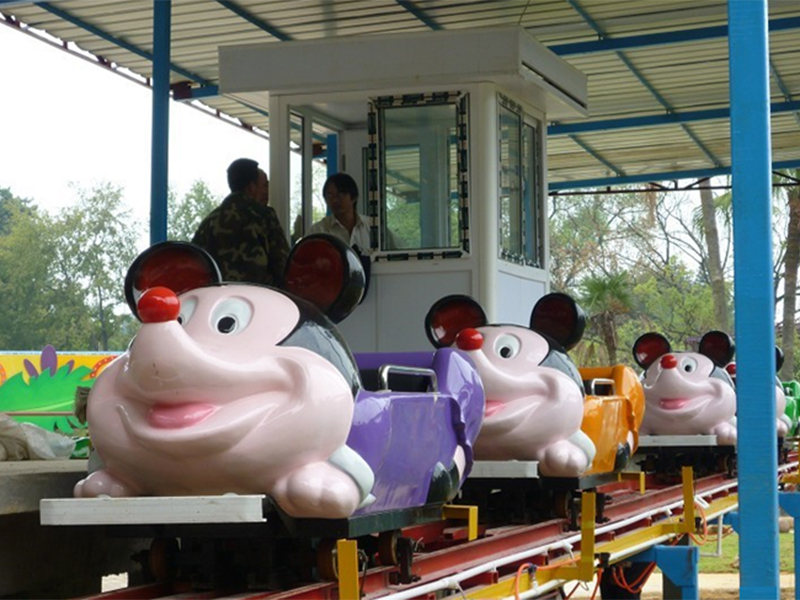
The Thrill Is Real but the Risk Feels Manageable
A wild mouse delivers tight turns, sudden drops and the sensation of being close to the edge, yet it does so at modest speed and without inversions. For parents, that combination reads as exciting rather than frightening. The car design, the visible track and the predictable route let a nervous child decide to ride, which is exactly what turns a family group into repeat customers rather than spectators.
Height Rules Make the Ride Accessible
Family rides live or die by their height restriction. A compact wild mouse is often accessible to children who are too short for the park’s headline coaster, which means the family can ride together instead of splitting up. Confirm the manufacturer’s height and supervision requirements before marketing the ride to families, because a single centimetre can exclude a large part of the intended audience.
Shared Experience Beats Solo Thrill
Parents value attractions they can experience with their children rather than watch from a fence. On a wild mouse, two riders share a car, and the interaction between them becomes part of the memory. That shared experience is a strong reason to place the ride near family dining and photograph points, where the group naturally stays together and spends more time in the area.
Queue and Dwell Time Favour Families
Families abandon queues quickly when children become bored, so the ride’s station design matters as much as the track. A visible queue, shade, clear height rules and a short cycle keep the wait tolerable; a long, hidden line will lose the audience the ride was bought for. Comparing a family friendly wild mouse coaster layout with other family attractions helps the park decide where the queue and the exit should sit.
Balance the Ride Mix
A park with only intense coasters excludes a large share of visitors, while a park with only gentle rides loses teenagers. The wild mouse sits between those groups, so it can anchor a family zone and increase the time a household spends on site. Reviewing a 4 loop roller coaster attraction alongside the wild mouse shows how a park can pair a family coaster with an extreme ride rather than choosing one audience over the other.
Market the Ride to the Right Guests
Families respond to specific language: first coaster, ride together, no inversions, suitable for children over a stated height. They also respond to practical information such as where to leave bags and whether a parent must ride alongside. The principles behind family ride design are covered in general material on roller coaster ride types, and applying them to the marketing message is what converts an under-used asset into a busy one.
A wild mouse appeals to families because it offers genuine thrill within limits that parents accept. The speed is modest, the height rules are inclusive, the car allows a shared experience, the queue can be designed for children, and the ride fills a gap in the mix between gentle and extreme attractions. Operators planning a family zone can review the range with ThemeParkProjects family coaster team and start from the product page at https://themeparkprojects.com/wild-mouse-roller-coaster/.
Leave a Reply